DEPARTMENT OF HEALTH URGES PENNSYLVANIANS TO PREPARE FOR DANGEROUSLY COLD WEATHER
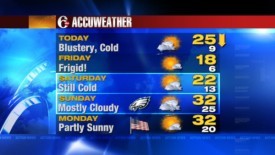
HARRISBURG – A surge of arctic air forecast to arrive in Pennsylvania on Thursday will bring hazardous wind chills that could lead to serious health problems, the Health Department warned today.
Temperatures across Pennsylvania are expected to range from the single digits to minus 10 tomorrow, with wind chills forecasted to drop to 5 to 30 below zero.
"Taking preventive action can help you reduce the risk of hypothermia, which is a very real threat in extreme cold-weather conditions," said acting Secretary of Health Everette James. "When exposed to cold temperatures, your body begins to lose heat faster than it can be produced. Prolonged exposure to cold will eventually use up your body's stored energy and result in hypothermia, or abnormally low body temperature. Hypothermia is particularly dangerous because it slows the functions of many vital organs, including the brain, and you may not realize it is happening."
Stay alert for signs of hypothermia. These include uncontrollable shivering, memory loss, disorientation, incoherence, slurred speech, drowsiness, and apparent exhaustion. If symptoms of hypothermia are detected, warm the victim up immediately and get medical help as soon as possible.
During periods of extreme cold, the Department of Health recommends that you:
• Make outdoor trips as brief as possible.
• Dress warmly in several layers of loose fitting clothing.
• Cover your mouth and face with a scarf or knit mask to protect your lungs from extremely cold air.
• Keep dry and change wet clothing frequently to prevent a loss of body heat.
• Avoid exertion as cold weather puts an extra strain on the heart.
• Remain in your vehicle if you become stranded. Keep warm by wrapping your entire body in extra clothing, blankets or newspapers. Move your arms and legs while sitting to improve circulation and stay warmer.
• Watch for signs of frostbite. These consist of loss of feeling and white or pale appearance in extremities such as fingers, toes, ear lobes and the tip of the nose. If symptoms are detected, get medical help immediately.
While hypothermia is generally associated with being outdoors, it can occur indoors if your thermostat is set too low, or there is a power outage or heating system failure. Follow these recommendations:
• Conserve heat by avoiding unnecessary opening of doors or windows. Close off unused rooms, stuff towels or rags in cracks under doors and close draperies or cover windows with blankets at night.
• Monitor body temperature of infants less than one year old. Infants should never sleep in a cold room because they lose body heat more easily than adults and can't make enough body heat by shivering.
• Check the temperature in your home often if you are over 65 years of age. Older adults often make less body heat because of slower metabolism and less physical activity.
• Check on elderly friends and neighbors frequently to ensure that their homes are adequately heated.
• Eating a well-balanced meal will help you stay warmer. Do not drink alcoholic or caffeinated beverages as they cause your body to lose heat more rapidly.
To learn more about the Department of Health and its services, visit www.health.state.pa.us or call 1-877-PA HEALTH. |




 Add a Comment
