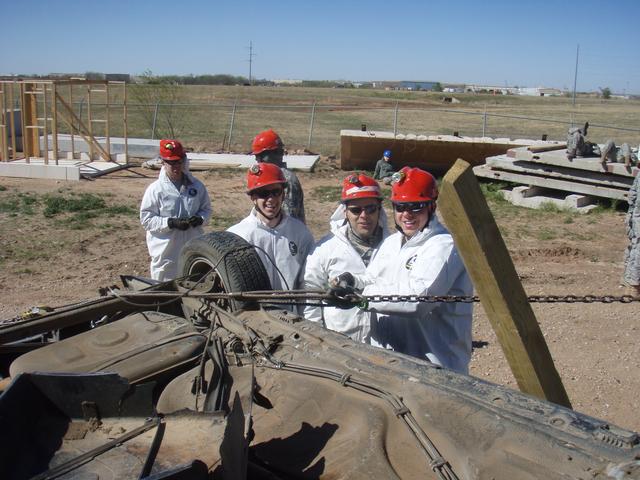
Teams worked to move large objects by hand. Here rescuers use chains and come-a-longs to flip a vehicle off of a patient.
|
|
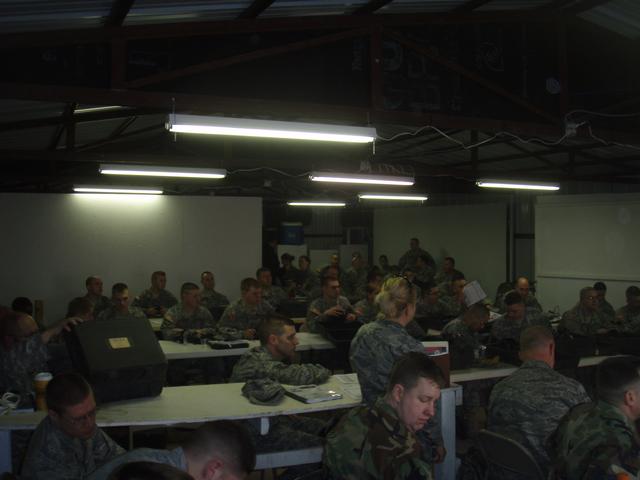
Students receiving our in processing briefs.
|
|
| |
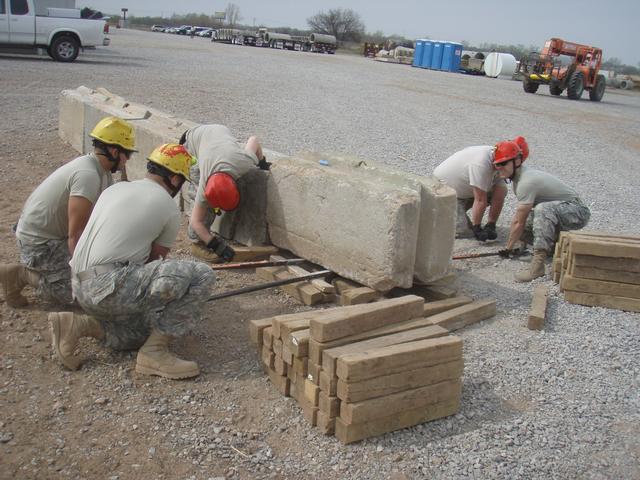
Students learn techniques for lifting objects with hand tools. Each cement block weighs 2400 lbs.
|
|
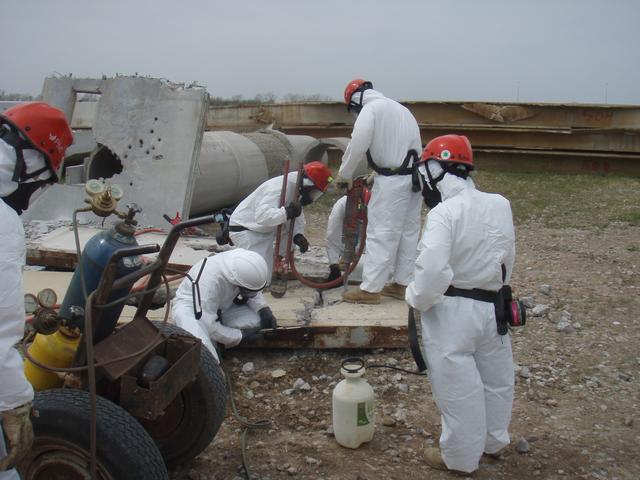
Breaking and Breaching class. Students completed all the stations in Class B suits and breathing apparatus.
|
|
| |
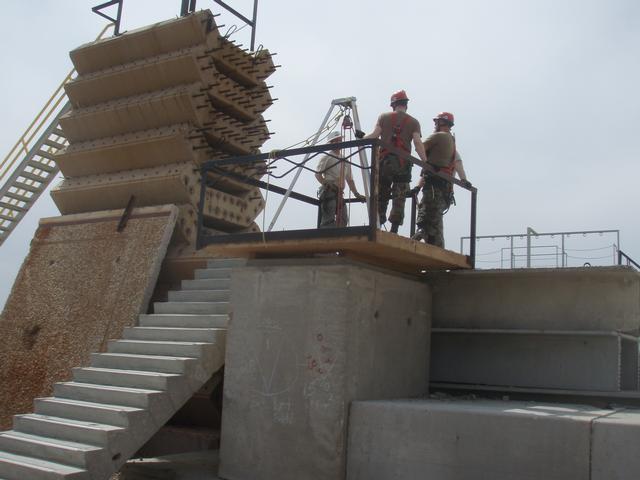
Confined space rescues were set up and practiced. Here students extracate a patient from below grade areas.
|
|
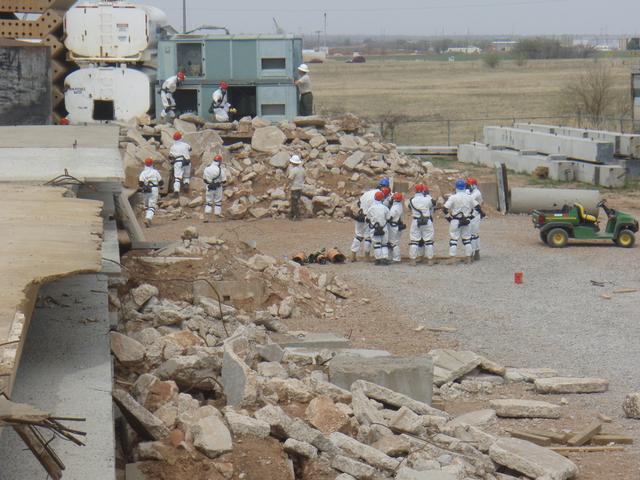
Students searching for victims in part of the building collapse debris.
|
|
| |
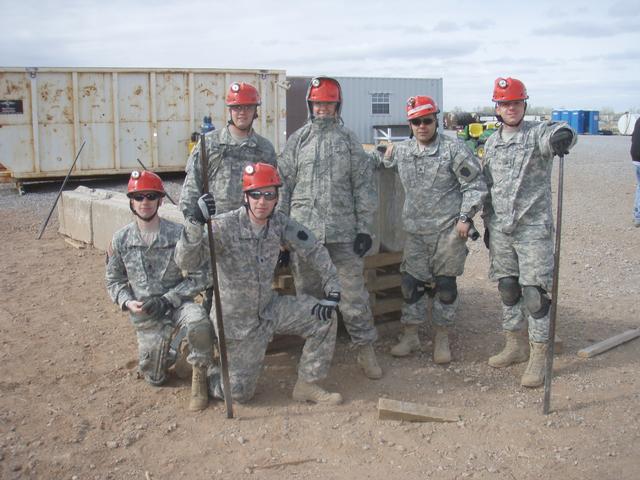
Members from PA take a moment for a group photo after a class. (Joined by female from Air Force)
|
|
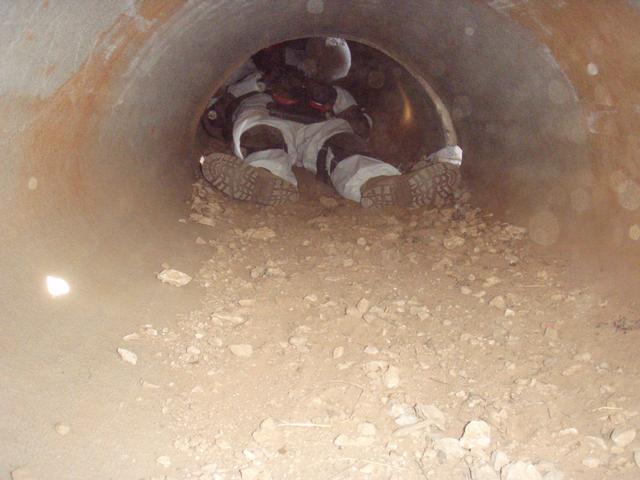
One of the many patients that had to be rescued in confined space areas.
|
|
| |
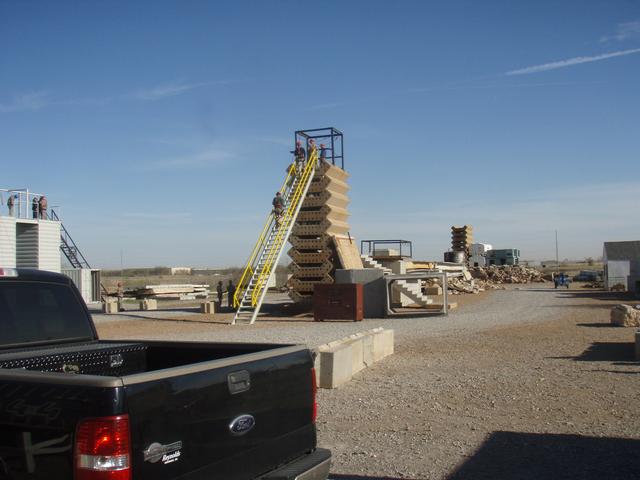
Students practiced repelling on their Rope 2 day. This is one of the towers they used.
|
|
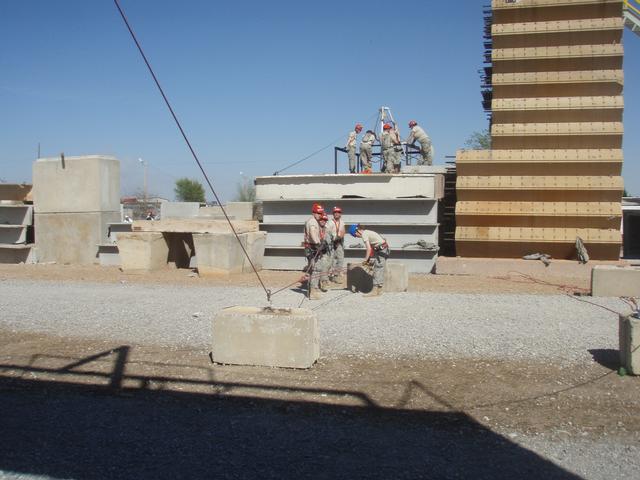
Haul systems were set up to raise patients and rescuers over large obstacles.
|
|
| |
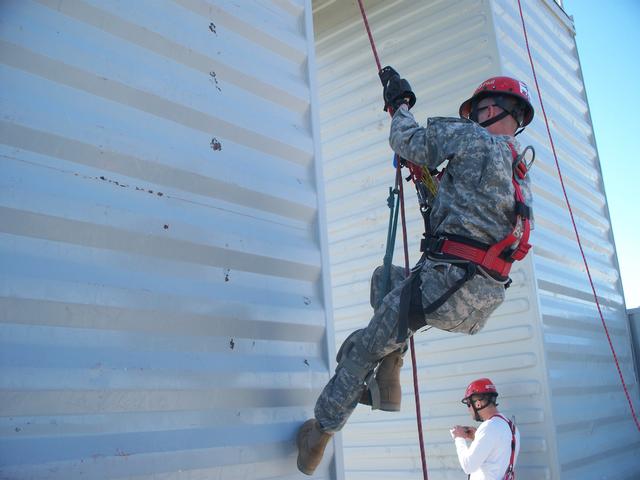
Climbing a rope using ascenders.
|
|
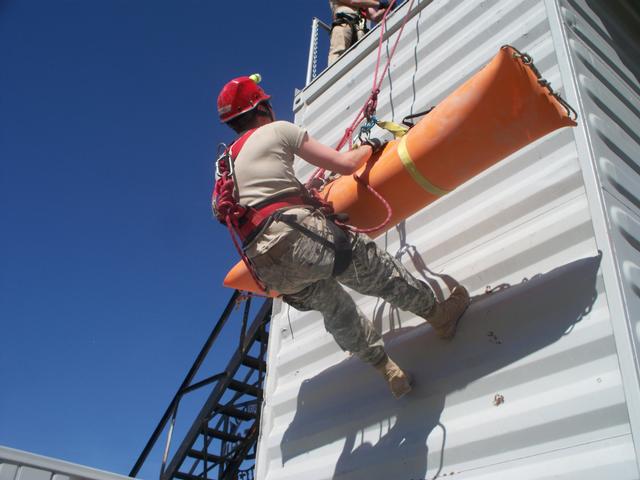
Students learned how to raise patients using a SKED. D/C Klinger is in the SKED.
|
|
| |
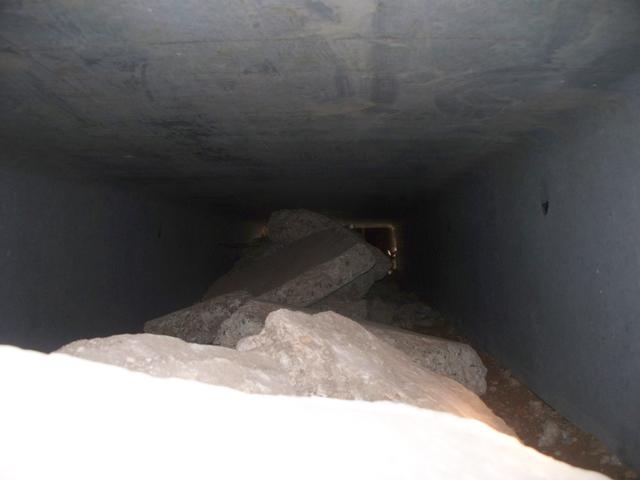
Inside view of one of the many confined spaces.
|
|
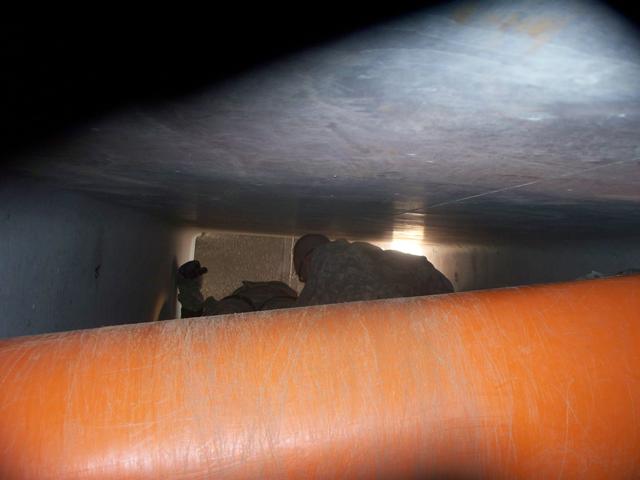
Assessing a patient before placing in a KED and SKED.
|
|
| |
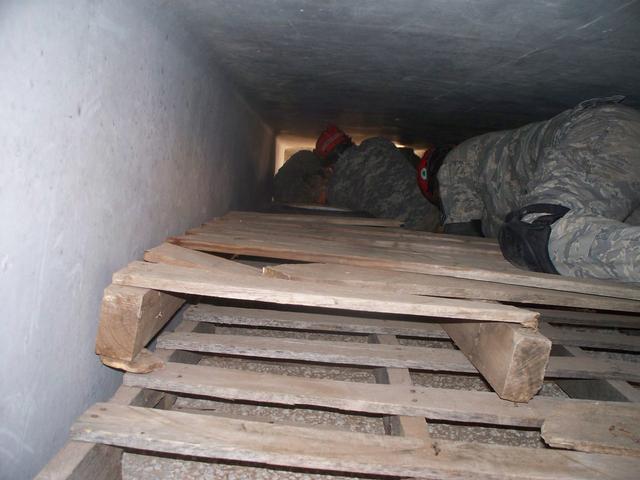
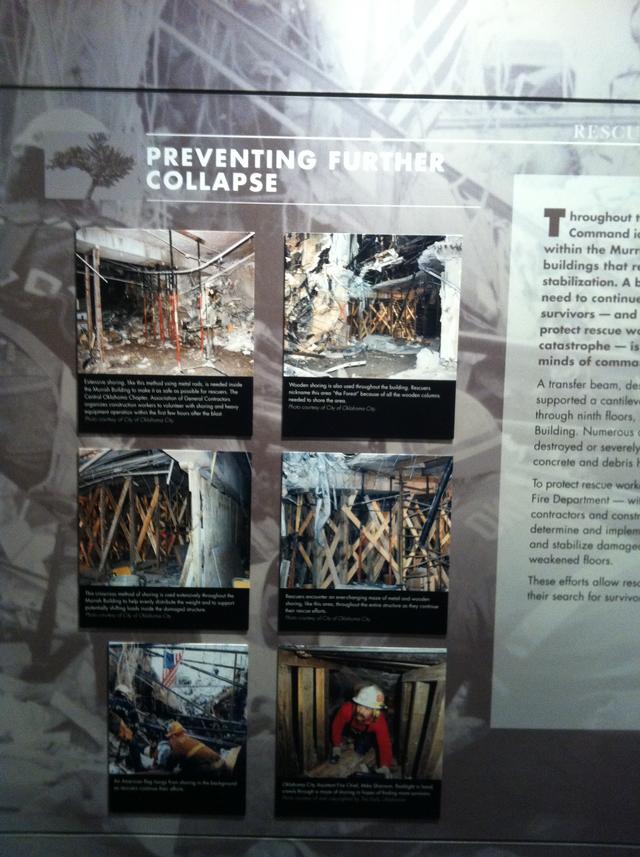
Once patients were packaged rescue teams had to remove them from the collapse.
|
|
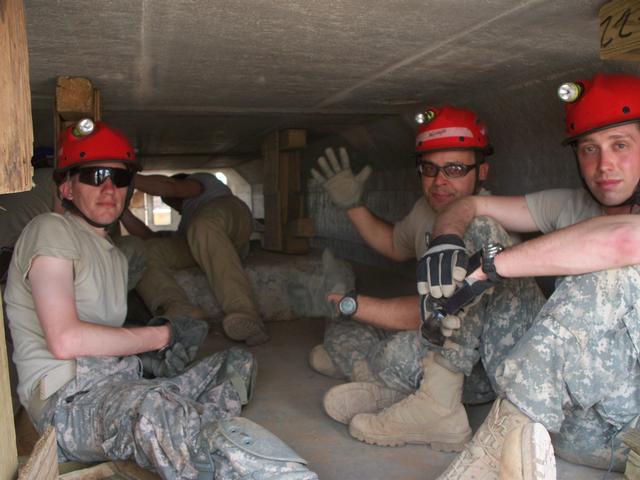
Crew from PA taking a break after completing our SPOT Shores practical.
|
|
| |
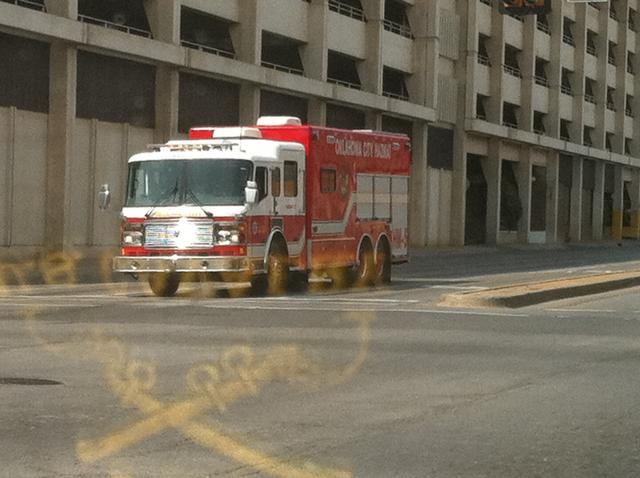
OK City HAZ-MAT 5
|
|
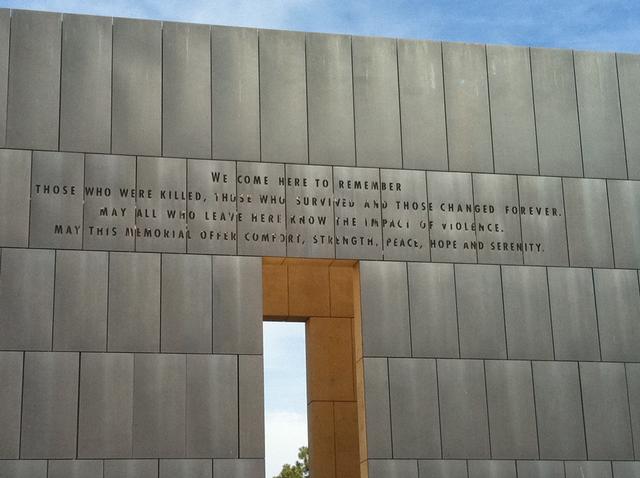
Oklahoma City Memorial
|
|
| |
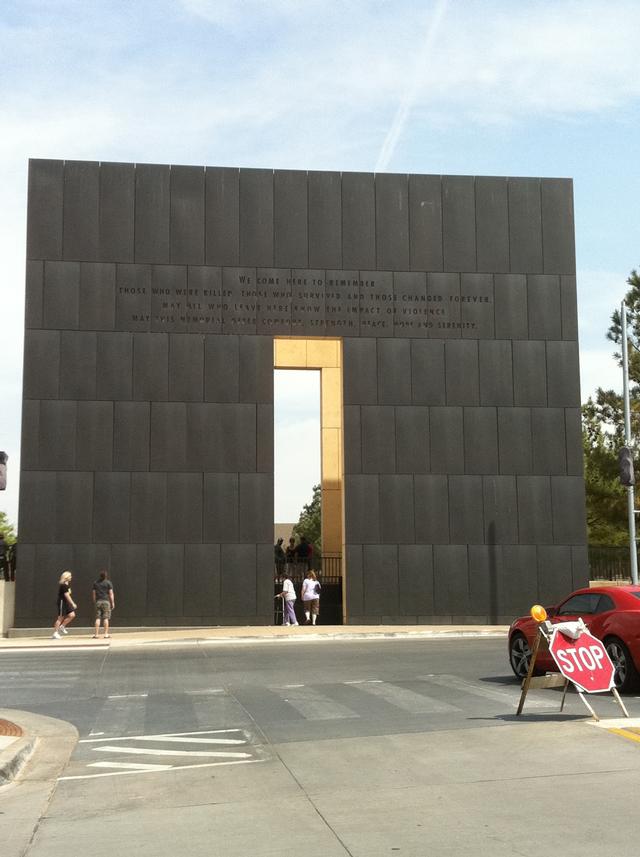
West entrance to the memorial. Each side has a large entrance that is where the road in front of the building was.
|
|
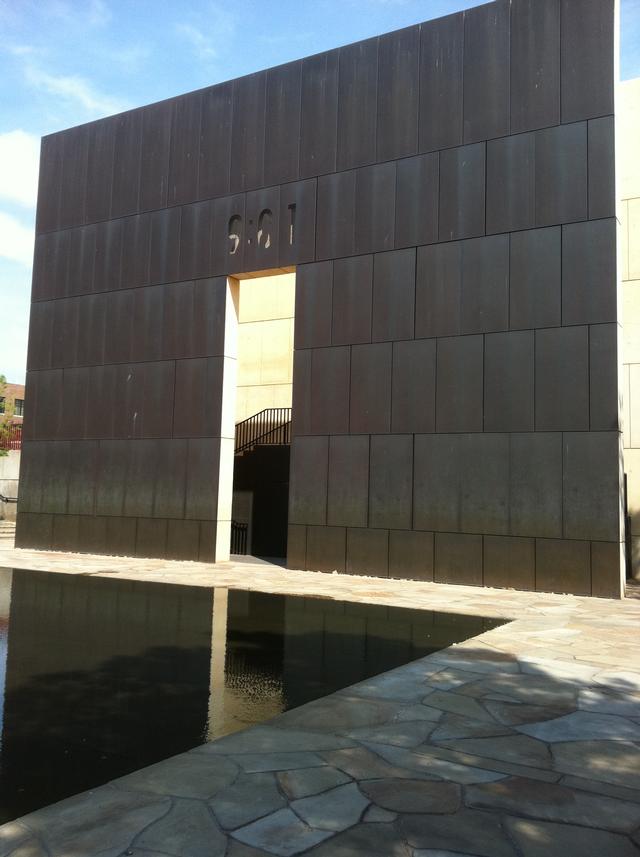
East entrance has the time above it 1 minute before the blast. Representing how America was before the blast.
|
|
| |
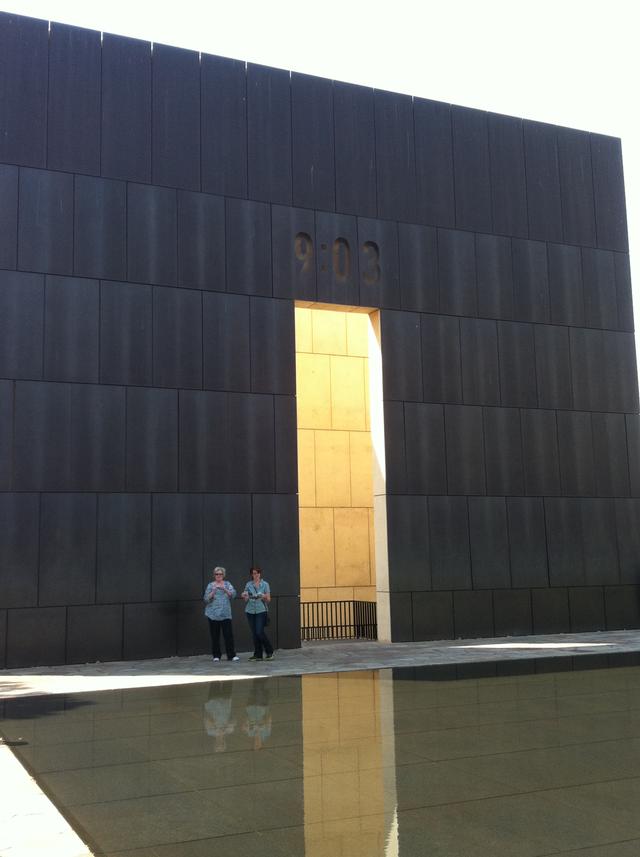
The West Entrance as the time of 9:03, representing how America changed after the disaster.
|
|
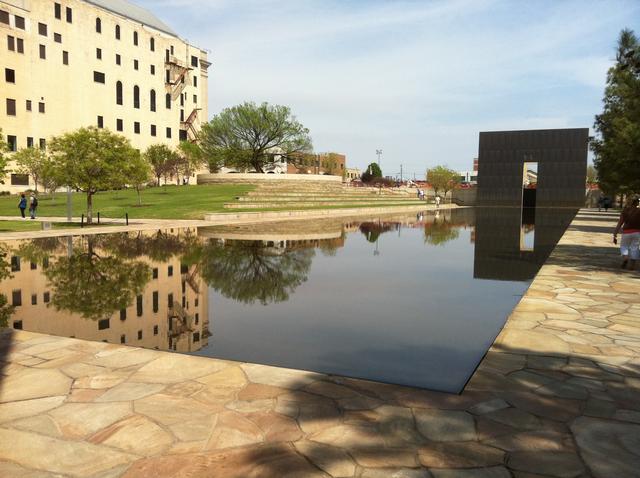
Looking across the memorial. The reflecting pool is where the roadway use to be, the survivor tree in the distance was in a parking lot across from the Murrah Building.
|
|
| |
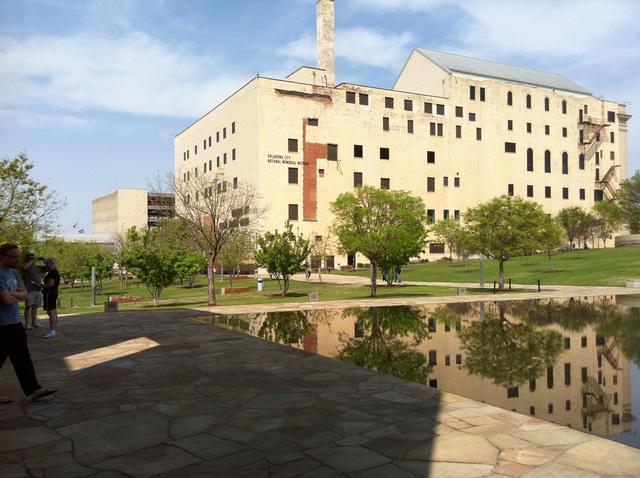
The Records building (now museum) still bears the scars of the bombing.
|
|
|
| |
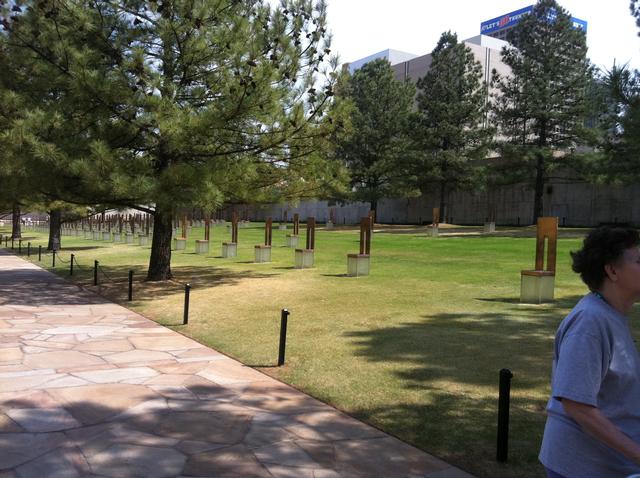
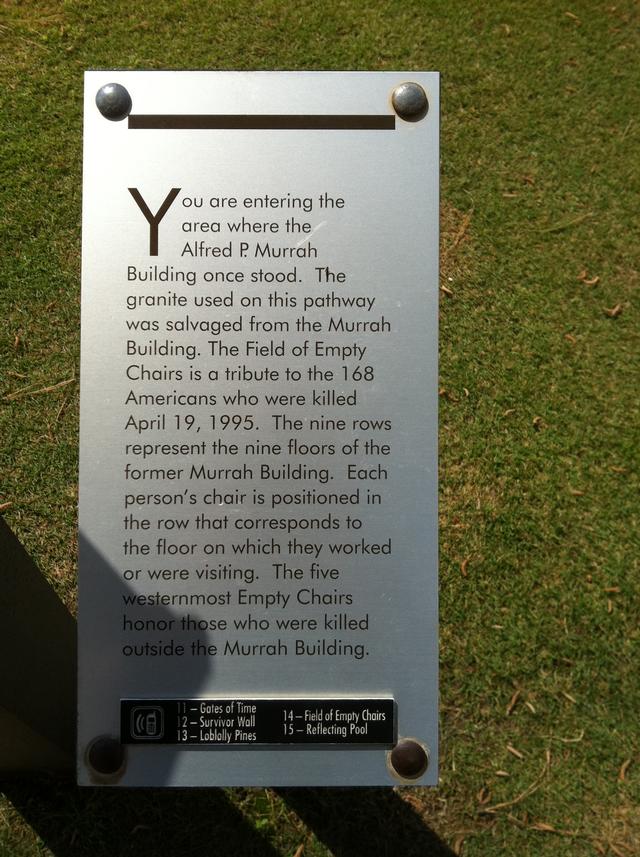
Open lot where Murrah building once stood. Each chair represents the victims of the bombing.
|
|
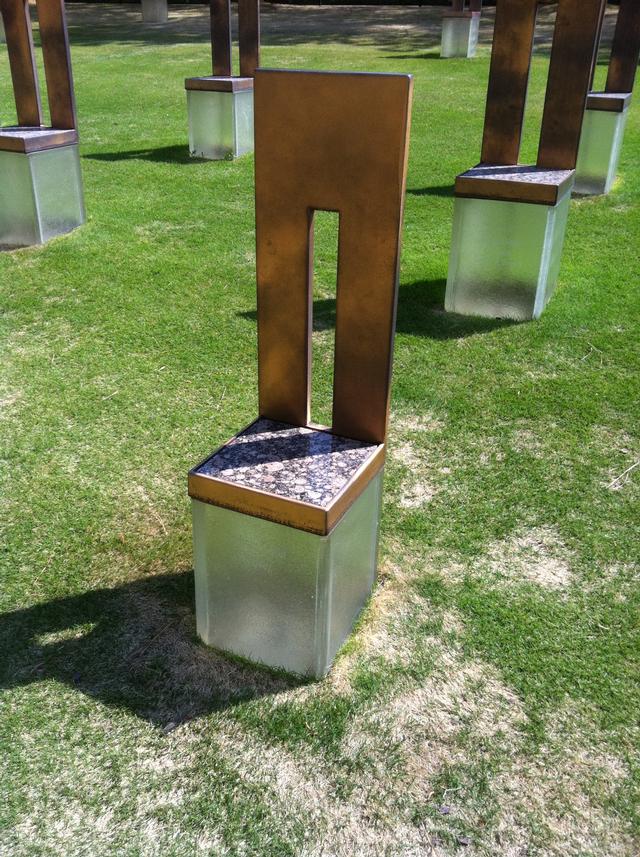
Each chairs seat is made from marble saved from the original building. Each victims name is inscribed on the chair. Each chair was hand crafted for the memorial, no two chairs are the same. Smaller chairs represent the 19 children that were killed in the daycare center.
|
|
| |
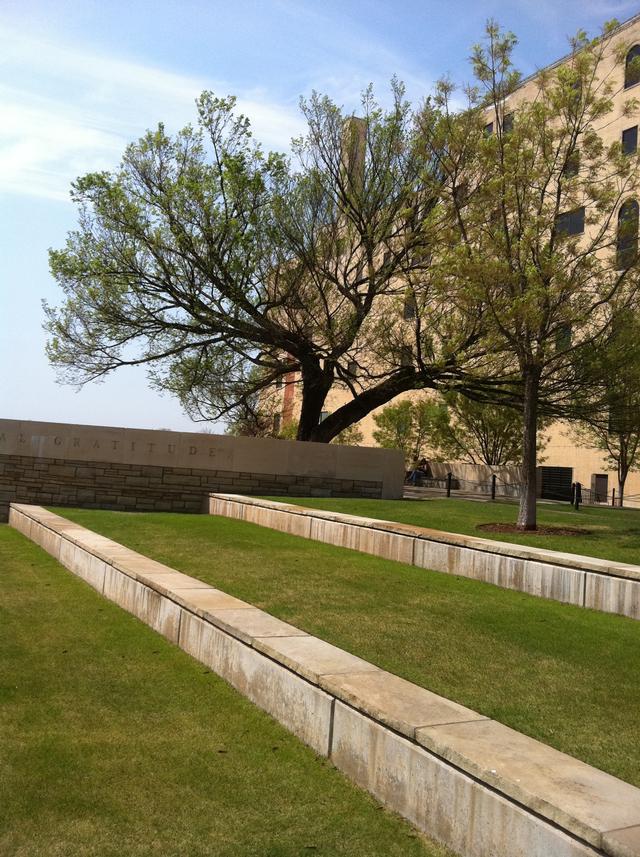
An American Elm tree over 100 years old, now known as the "Survivor Tree," it survived the blast of bombing and is once again thriving. Each year the seeds are taken and planted around areas on the anniversary of the bombing.
|
|
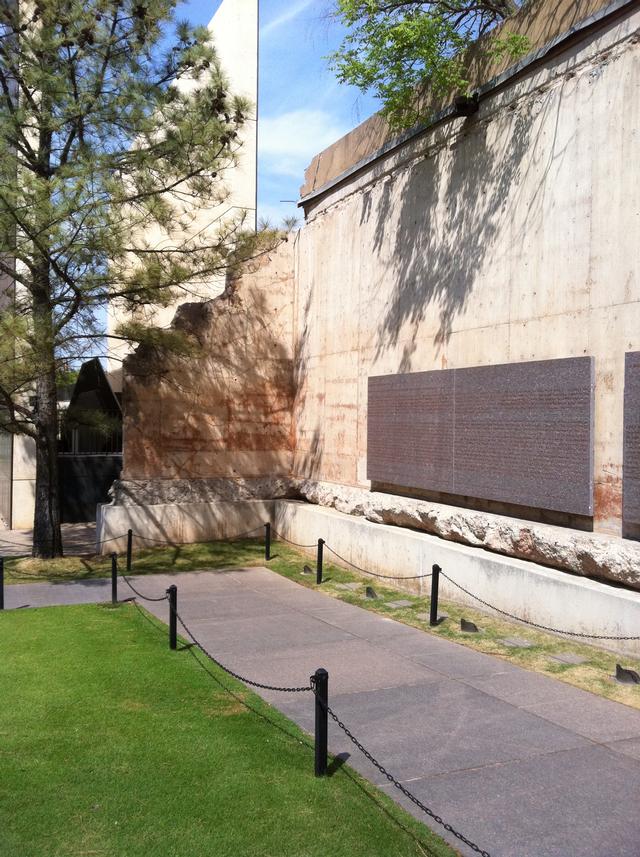
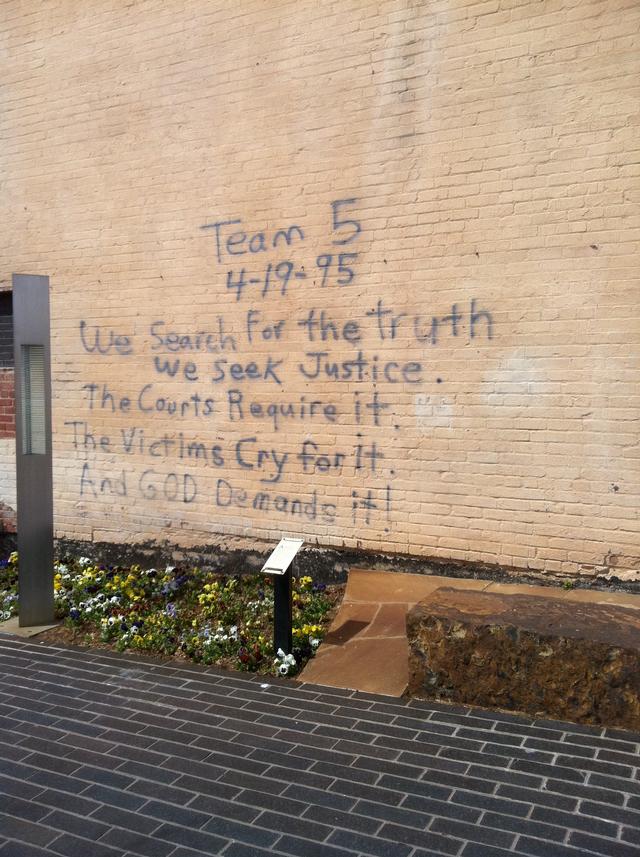
Original wall and foundation of the Murrah building.
|
|
| |
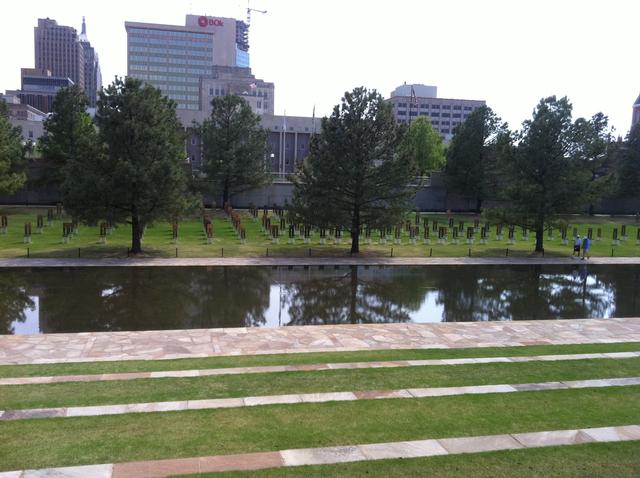
Looking at where the Murrah building once stood, now "The Field of Chairs."
|
|
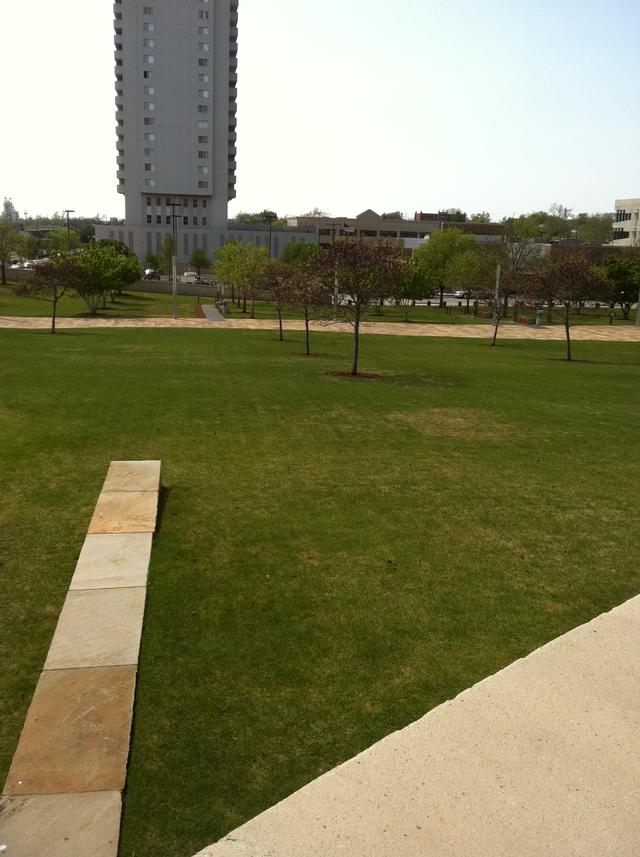
Rescuers orchard.
|
|
| |
|
|
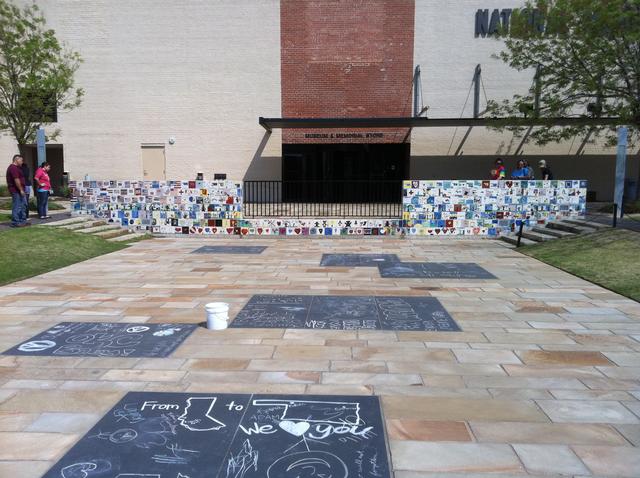
"Children's Area" Children were a large part of the disaster from the emtion of losing 19 in the day care to the thousands who send responders and families letters and drawings to lift their spirits. Some are on display here in an area where children can come and learn of the disaster.
|
|
| |
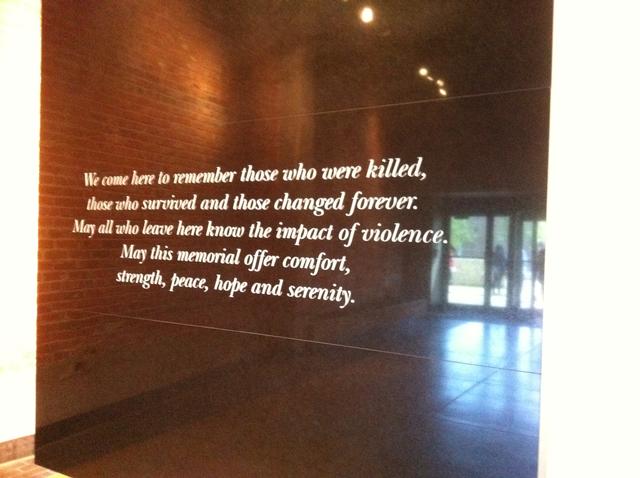
Entrance to Memorial musuem.
|
|
|
| |
|
|
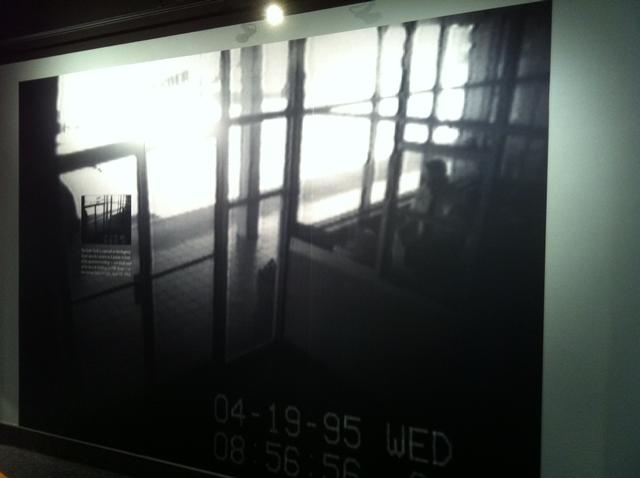
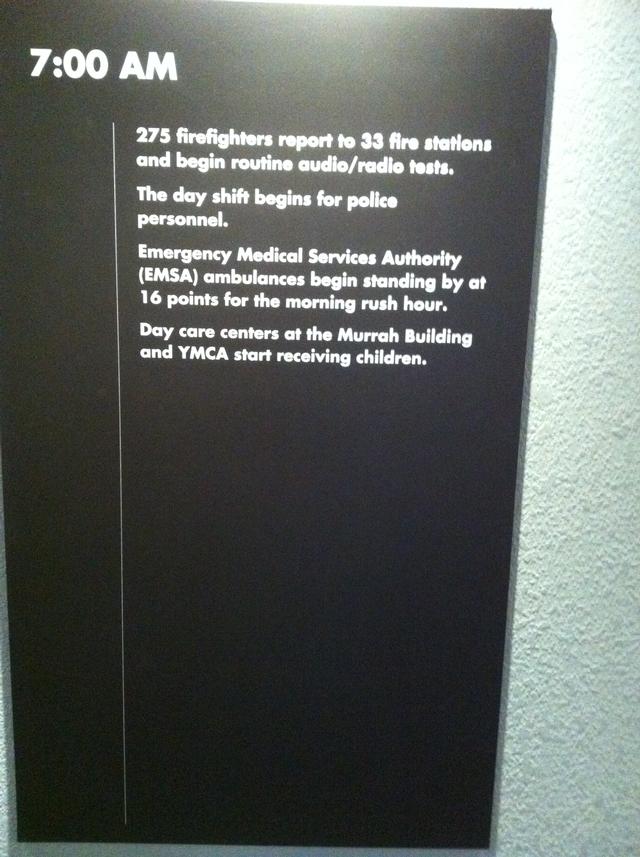
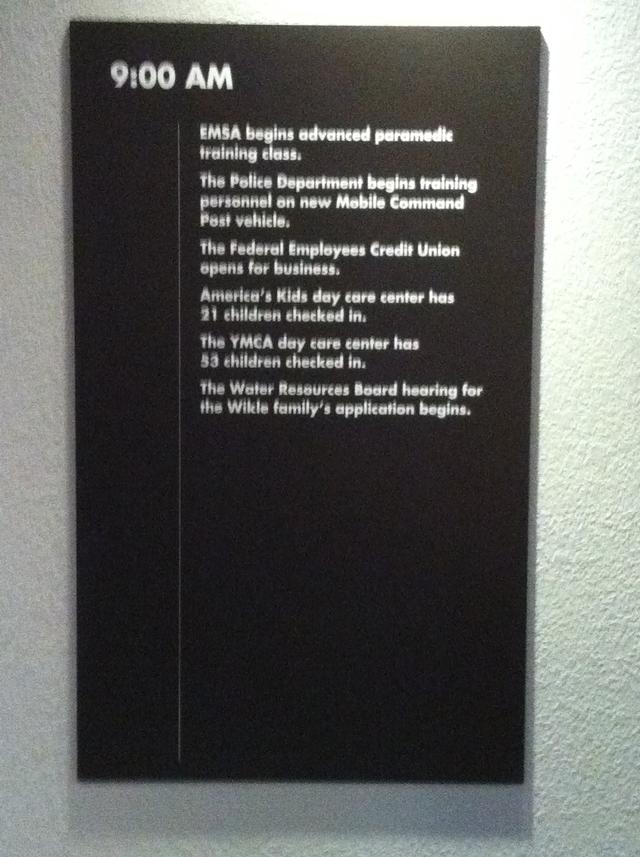
Security camera footage of the Ryder van minutes before the attack.
|
|
| |
|
|
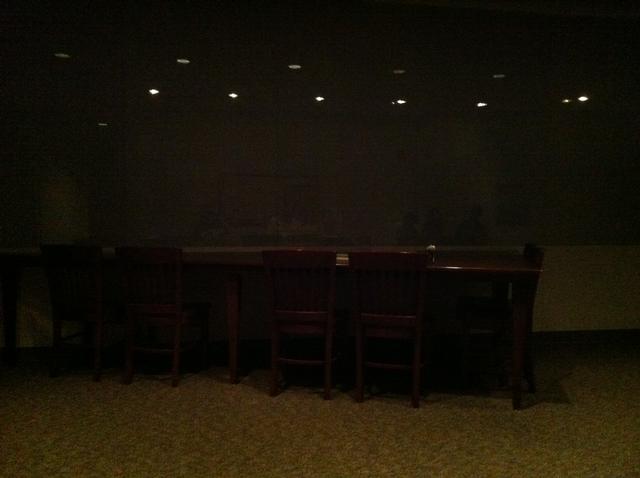
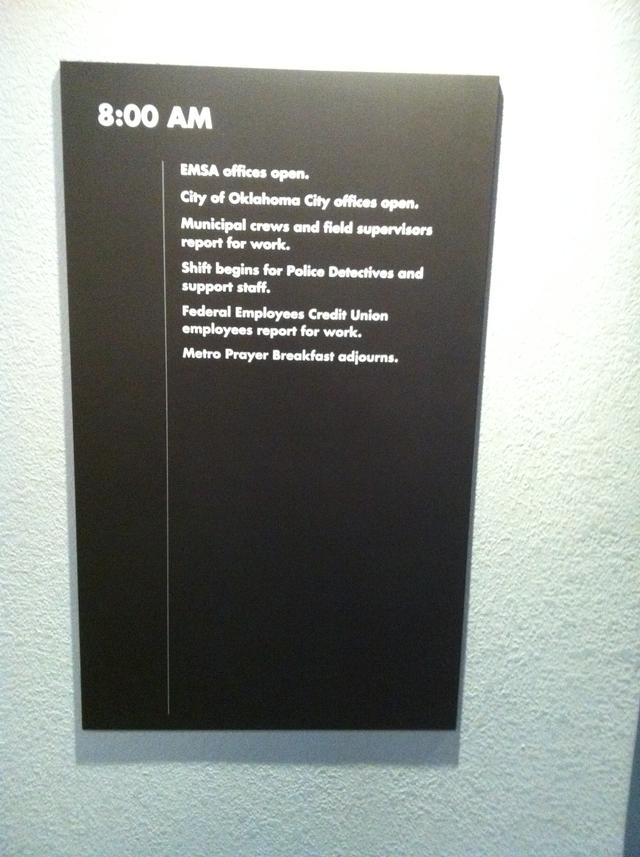
How the Water Authority building meeting room was minutes before the attack. You hear the audio tape as it caught the explosion and reactions afterwards.
|
|
| |
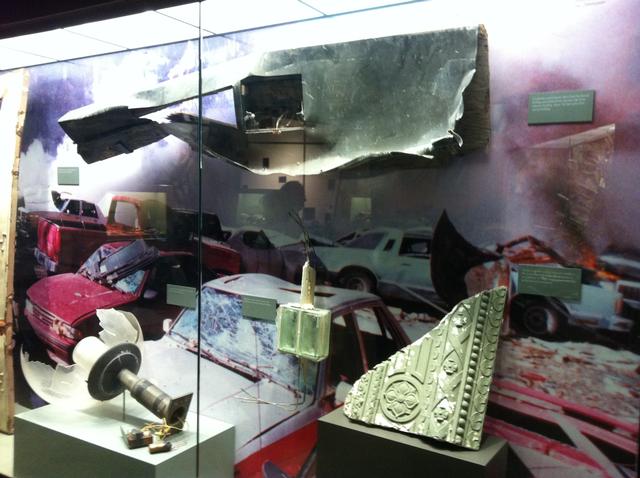
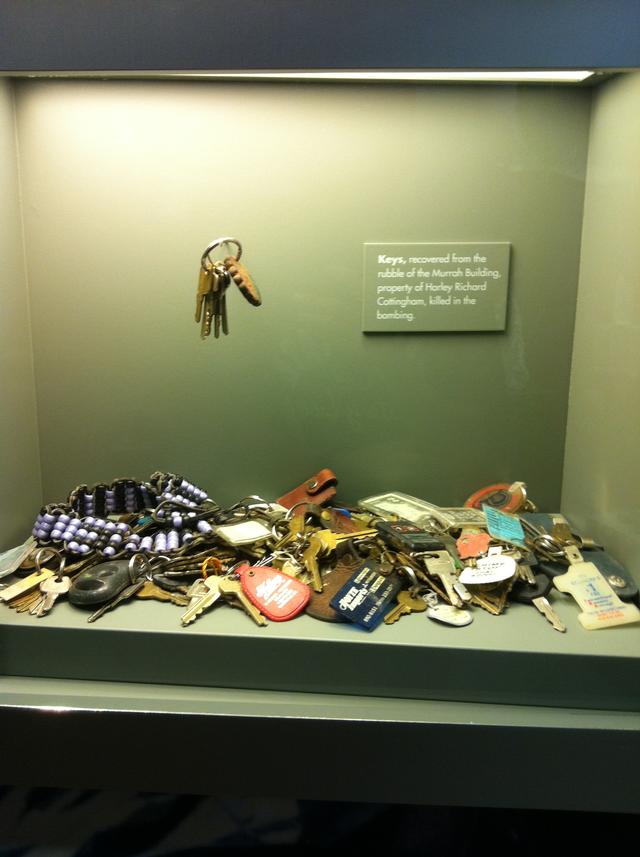
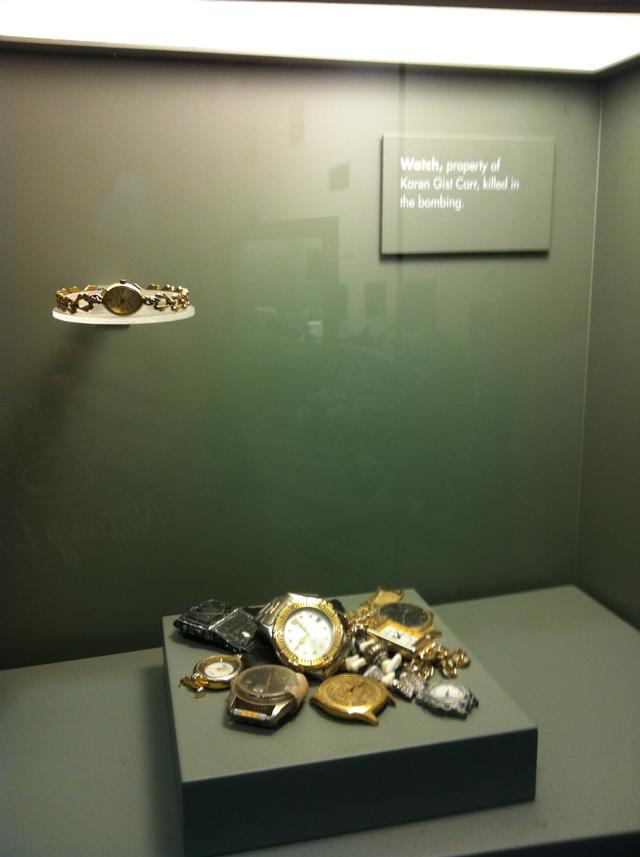
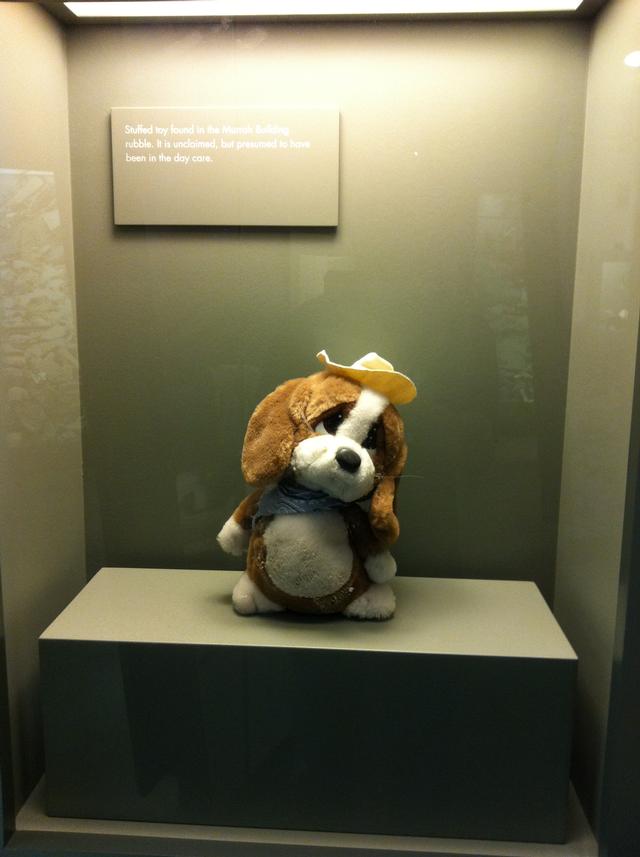
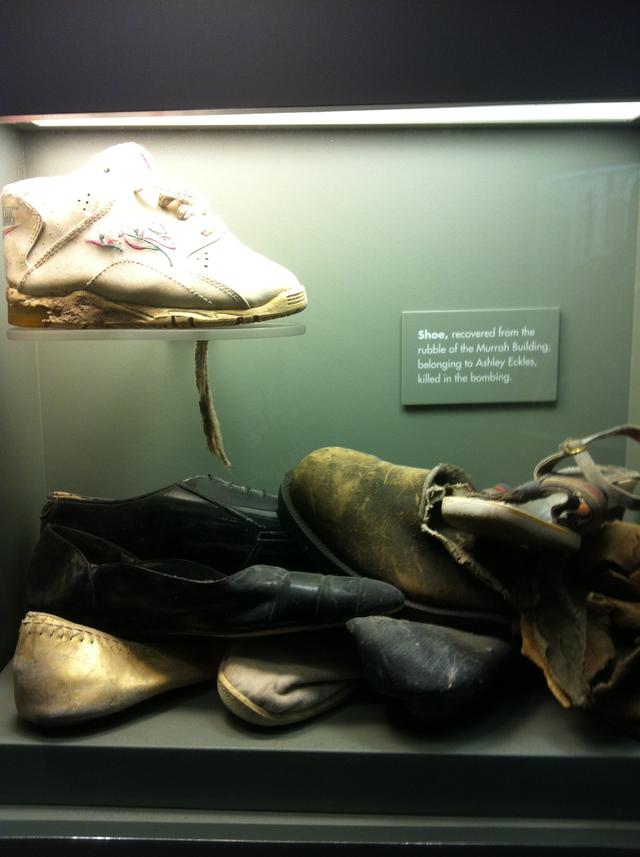
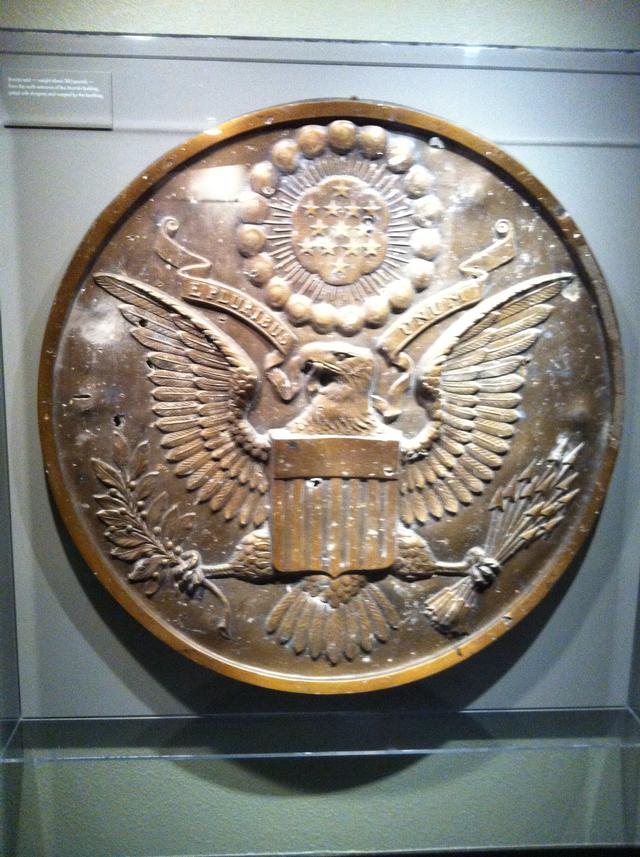
Some of the items recovered.
|
|
|
| |
|
|
|
| |
|
|
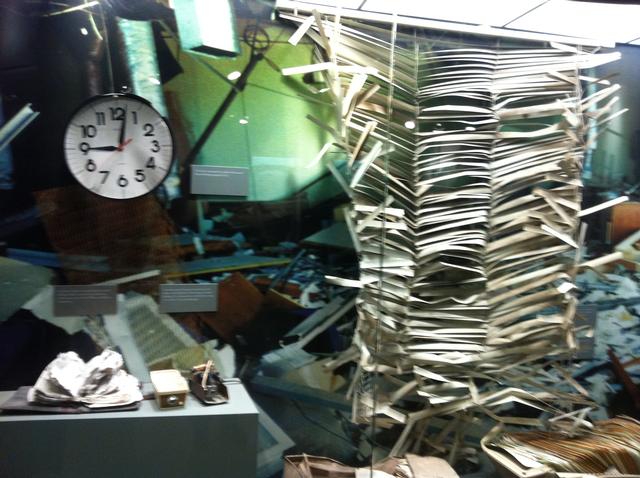
Clock captured the moment of the blast forever.
|
|
| |
|
|
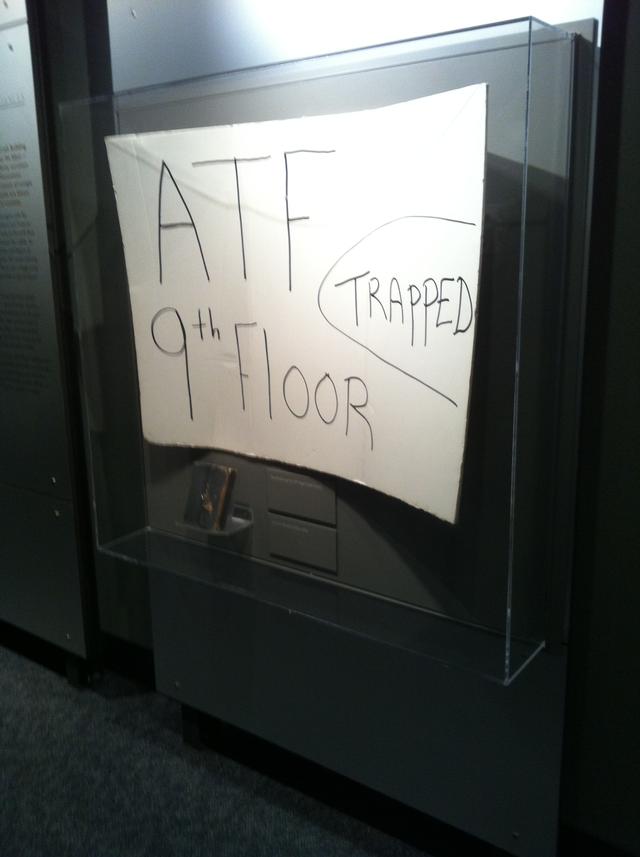
Trapped victims communicated to outside rescuers.
|
|
| |
|
|
|
| |
|
|
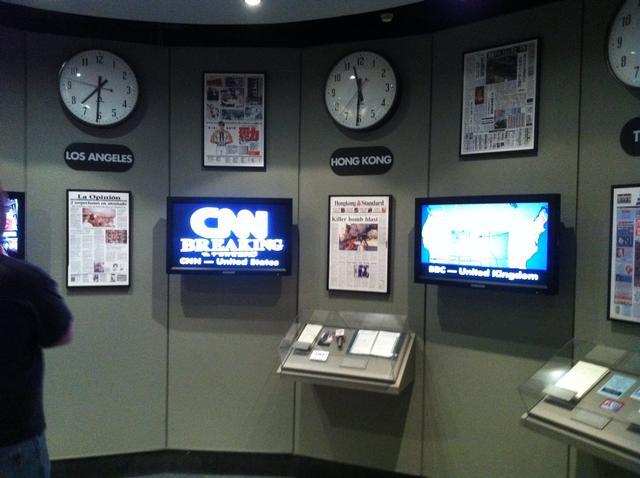
News from around the world reported on the incident within minutes.
|
|
| |
|
|
|
| |
|
|
|
| |
|
|
|
| |
|
|
|
| |
|
|
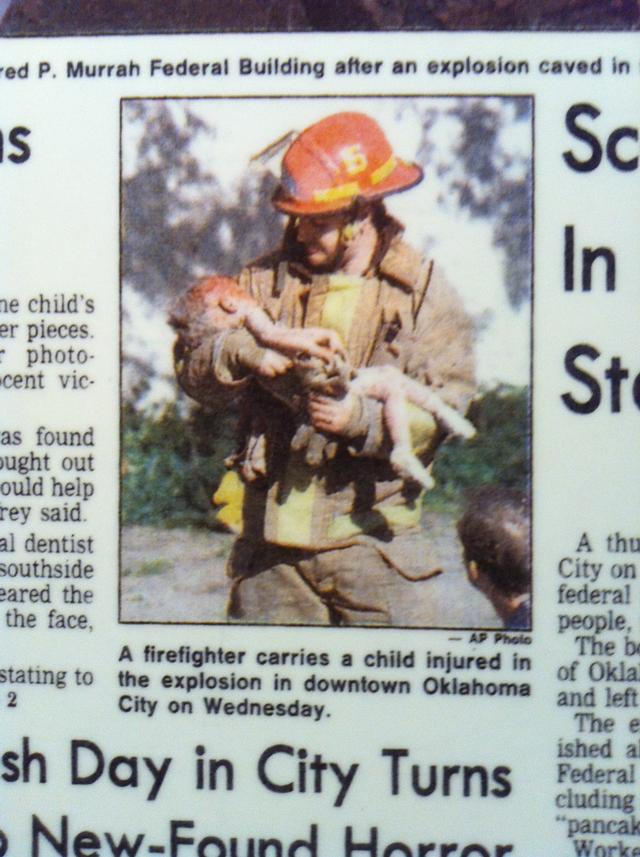
A FF carries out an injured child.
|
|
| |
|
|
|
| |
|
|
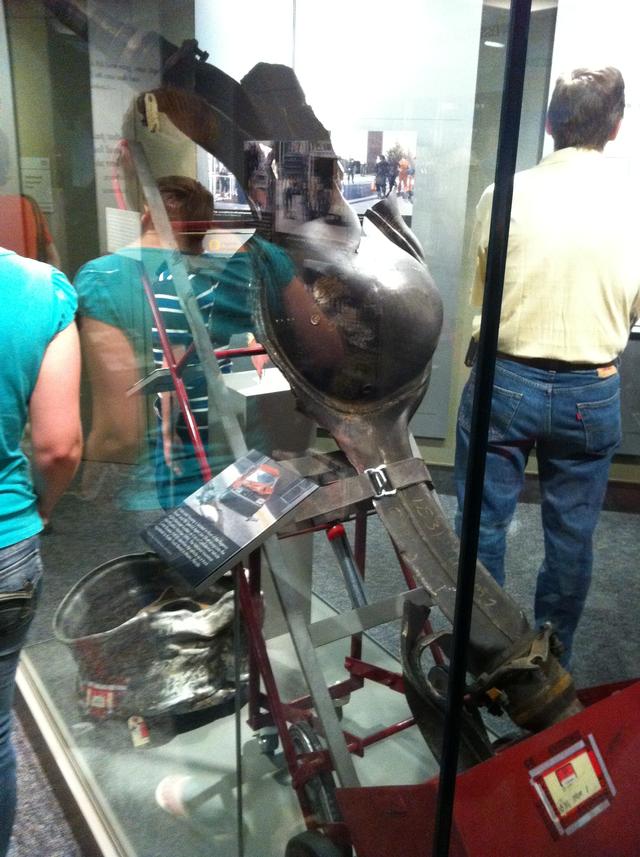
The Ryder truck axle that was a major piece used to connect Timothy McVeigh and Terry Nichols to the attack.
|
|
| |
|
|
|
| |
|
|
|
| |
|
|
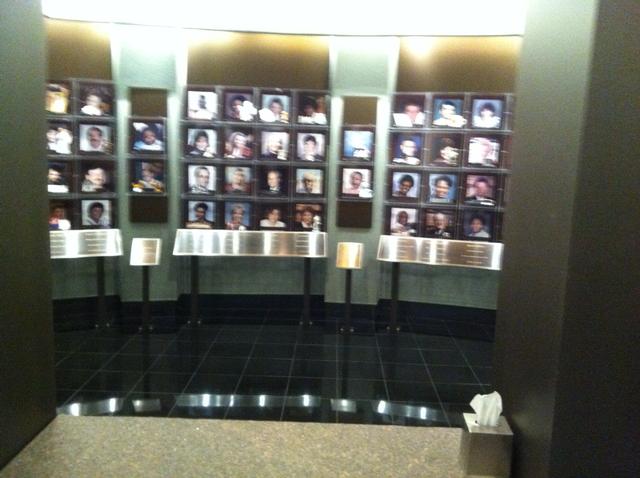
A portion of the Gallery of Honor
|
|
| |
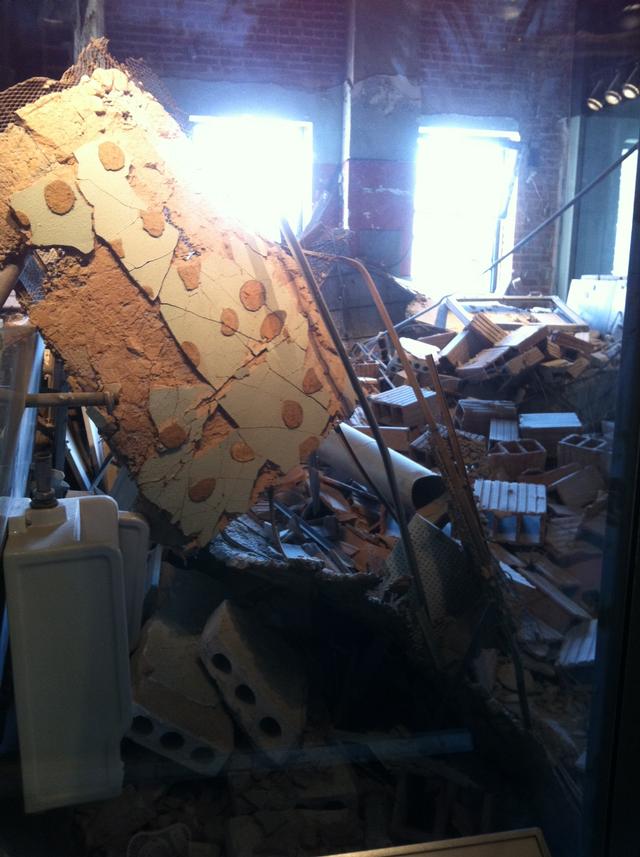
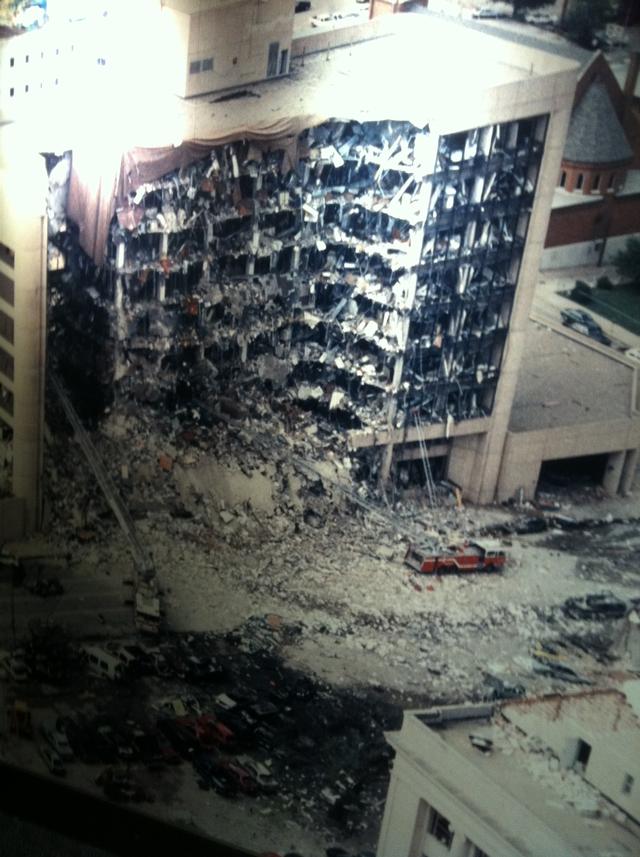
A portion of the Records building has it was after the blast. This was the men's restroom on the second floor facing the Murrah Building.
|
|
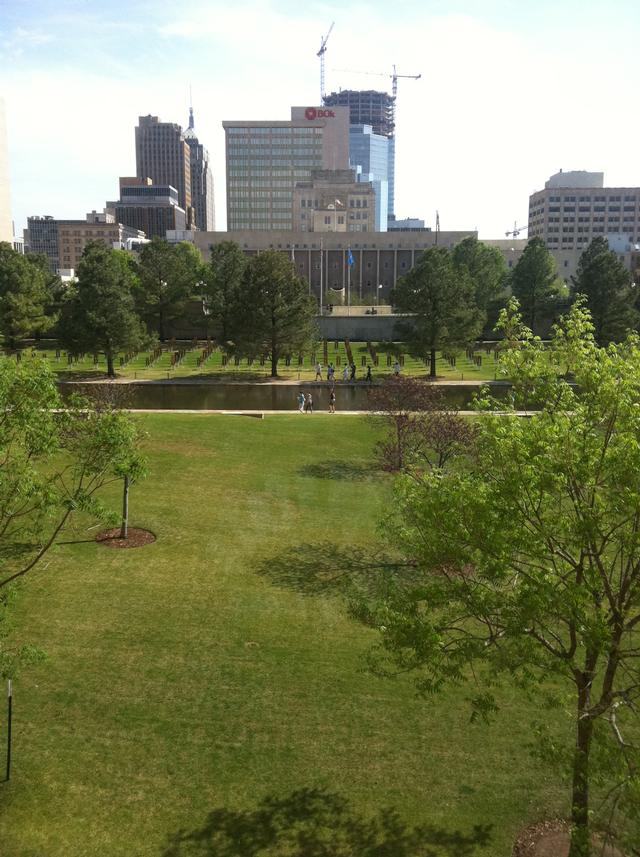
Current view from the Museum
|
|
| |
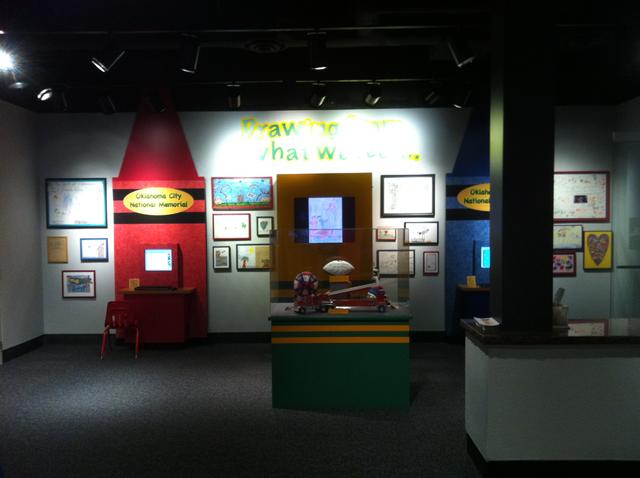
Children were a large part of this incident. Inside is an area where children can come and learn of the incident in an environment they understand.
|
|
|
| |
|
|
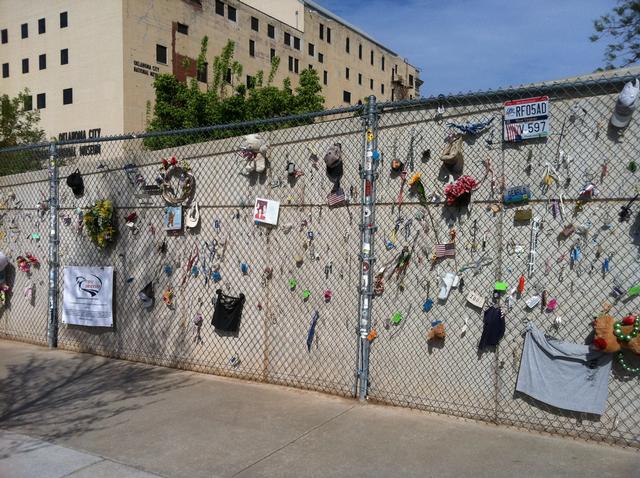
Visitors still leaving items on the outside fences for support even 16 years after the event.
|
|
| |




 Add a Comment
